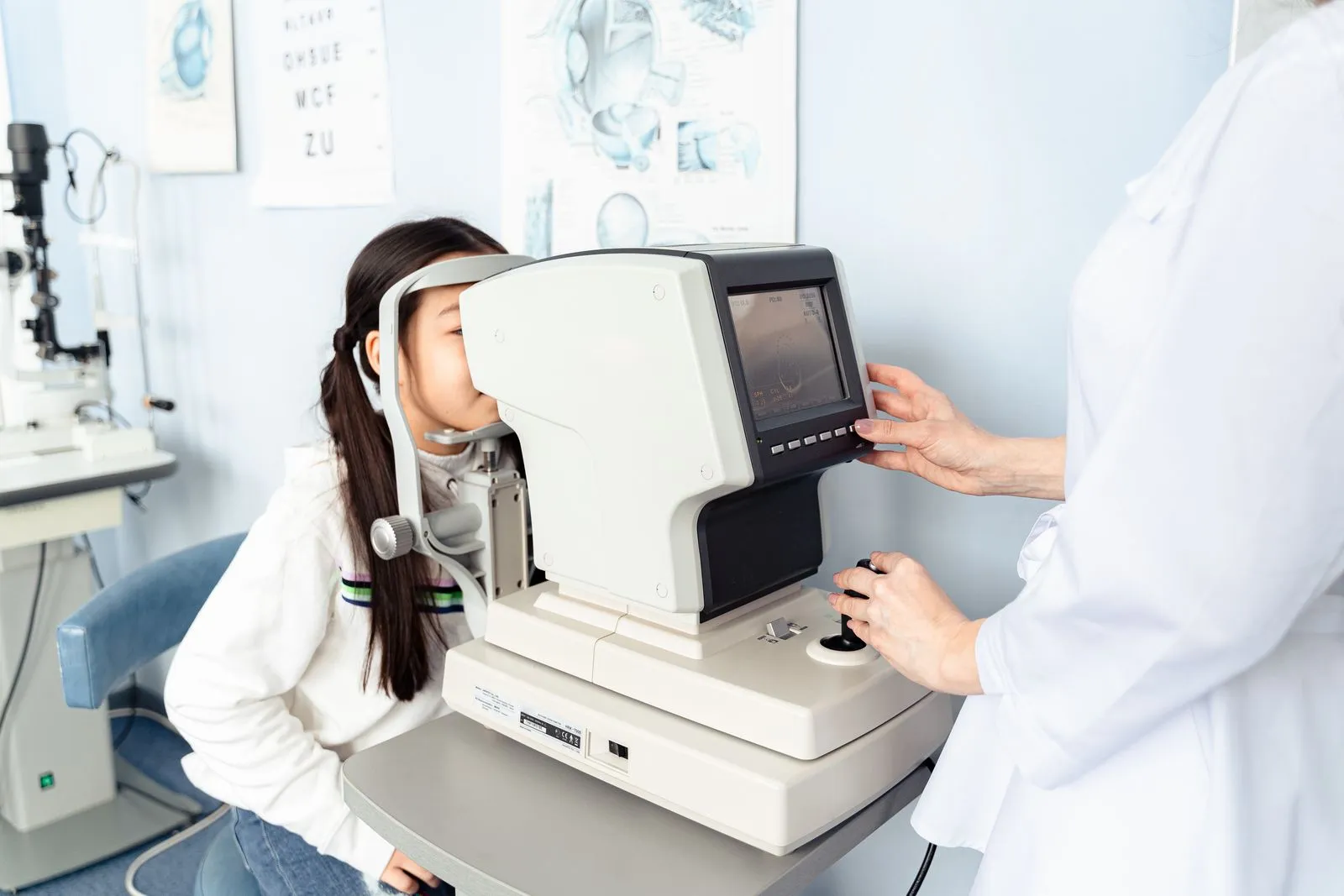
A routine eye exam can check more than whether you need a new glasses prescription. Your eye care provider may ask about your health, assess how clearly you see, and examine the structures of your eyes. Knowing the usual steps can help you feel prepared and make good use of your appointment. The exact tests depend on your needs, age, symptoms, and medical history, so your visit may not include every test described here.
Before Your Appointment
Bring your current glasses or contact lenses, a list of medications, and details about relevant health conditions or family history. If you have an older prescription or records from a previous eye exam, bring those too. Note any vision changes, headaches, eye discomfort, or other symptoms, including when they started and what seems to trigger them.
If you wear contact lenses, ask the office whether you should arrive wearing them or bring your glasses as well. Some tests or prescription checks may work best after you have removed your lenses for a specified period. If the office expects to use dilating drops, ask whether your vision could be blurry afterward and plan transportation if needed.
Questions and Vision Tests
The appointment often starts with questions about your vision, overall health, medications, work, and daily activities. Be specific about what you find difficult, such as reading small print, driving at night, or working at a computer. Mention eye pain, flashes, new floaters, or sudden changes in vision, since those symptoms may need prompt attention rather than a routine visit.
Your provider may check how well you see at different distances using an eye chart, then compare lens options to refine your prescription. You might also complete tests that assess how your eyes work together, focus, or respond to light. Tell the examiner when a choice looks clearer or more comfortable; there is no need to guess or rush.
Eye Health Checks
A routine exam may include checking eye pressure and looking at the front and back of your eyes. Your provider may use a bright light, a microscope-like instrument, or imaging equipment. These checks help evaluate eye health and may reveal changes that are not obvious from how clearly you see. Ask what each test is for if you would like more context.
Dilating drops widen the pupils so the provider can get a better view inside the eyes. They can make your eyes sensitive to light and your near vision temporarily blurry. Dilation is not required at every visit, and the effects vary. Bring sunglasses for the trip home, and avoid scheduling tasks that require sharp close-up vision until your sight feels normal again.
Results and Next Steps
Before you leave, ask whether your prescription has changed and whether the exam found anything that needs follow-up. If you receive a new prescription, confirm how to use it and when to return for another exam. If your provider recommends additional testing or care, ask about the reason, timing, and what symptoms should prompt you to contact the office sooner.
Use the visit to discuss practical choices, including glasses for specific tasks or contact lens comfort. Share your budget and preferences so recommendations fit your daily routine. Rose City Optics can help Portland patients with eyewear questions; for an exam, confirm the appointment details and services directly with your eye care provider.
A little preparation makes an eye exam easier: bring your eyewear and health information, describe any symptoms, and ask questions about your results. Your provider can explain which tests suit your needs and what to do next. Contact an eye care office to arrange an appointment and confirm how to prepare.